
Breast cancer is the most common form of tumor among women in Sweden. Every tenth woman develops breast cancer during her lifetime.
of all breast cancer cases are detected with the help of mammography
women are diagnosed with breast cancer every day
survive breast cancer
Welcome to Bröstkollen! Three minutes that can make a difference.
In Sweden, all women aged 40-74 are regularly invited for mammography screening. The goal is to detect tumors before they cause symptoms, therefore it is important to participate in this form of screening. Early detection significantly improves your chances of recovery!
Self-examining your breasts, regardless of age or background, is a simple routine that helps you learn how your breasts normally feel. The benefit of doing this regularly is that any abnormalities can be detected early. Do your breast check – 3 minutes can make all the difference.
Bröstkollen – self-examination
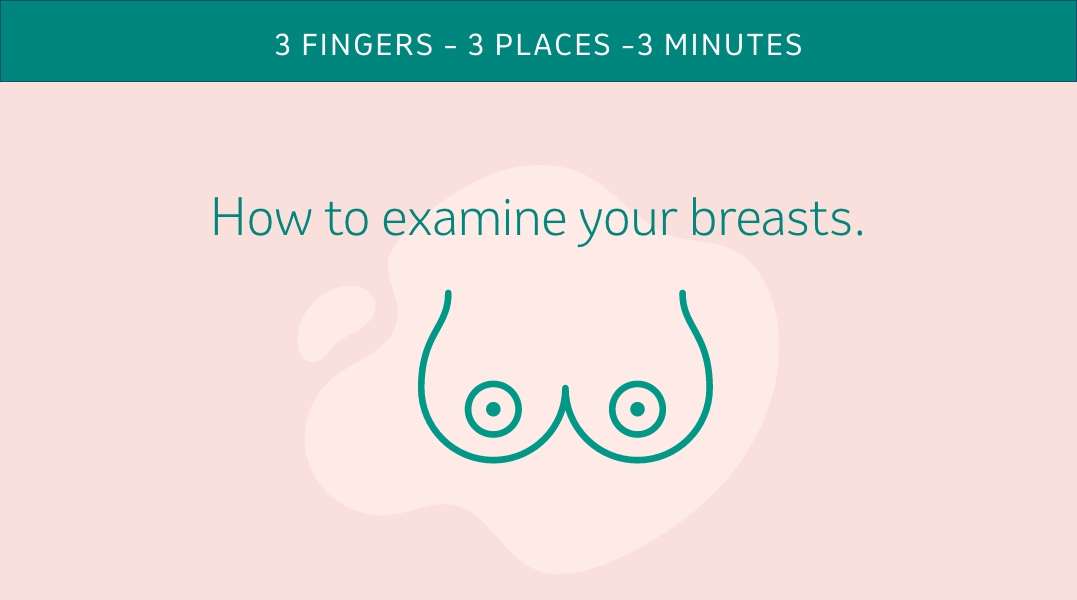
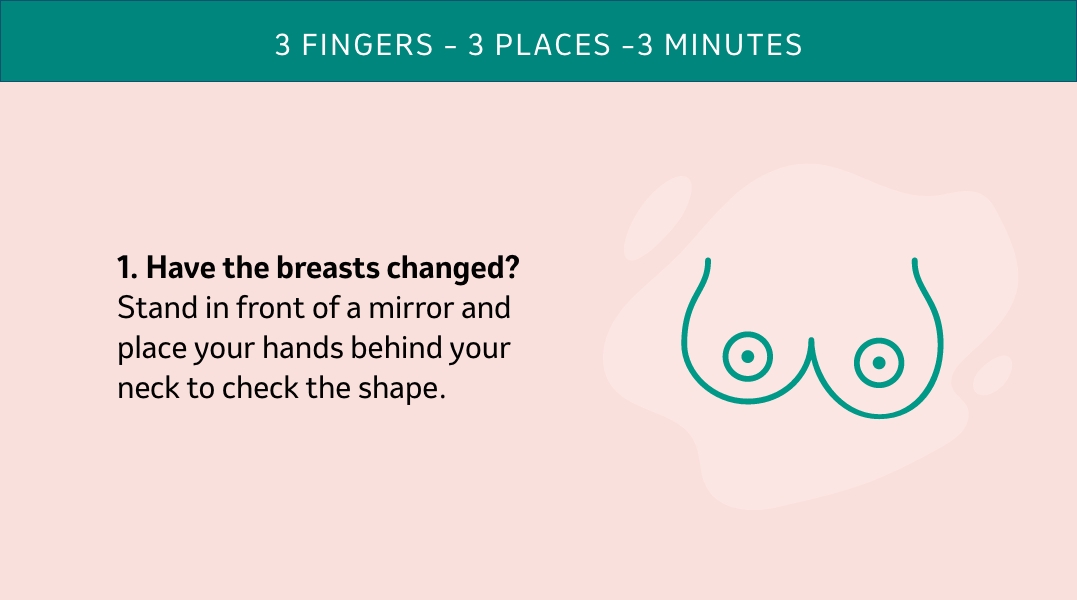

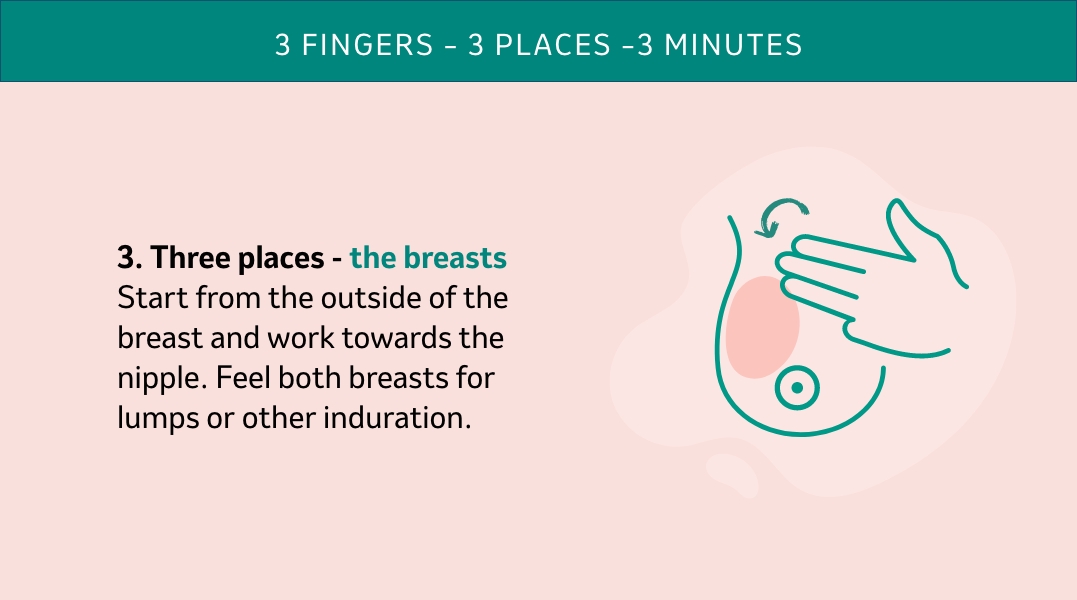
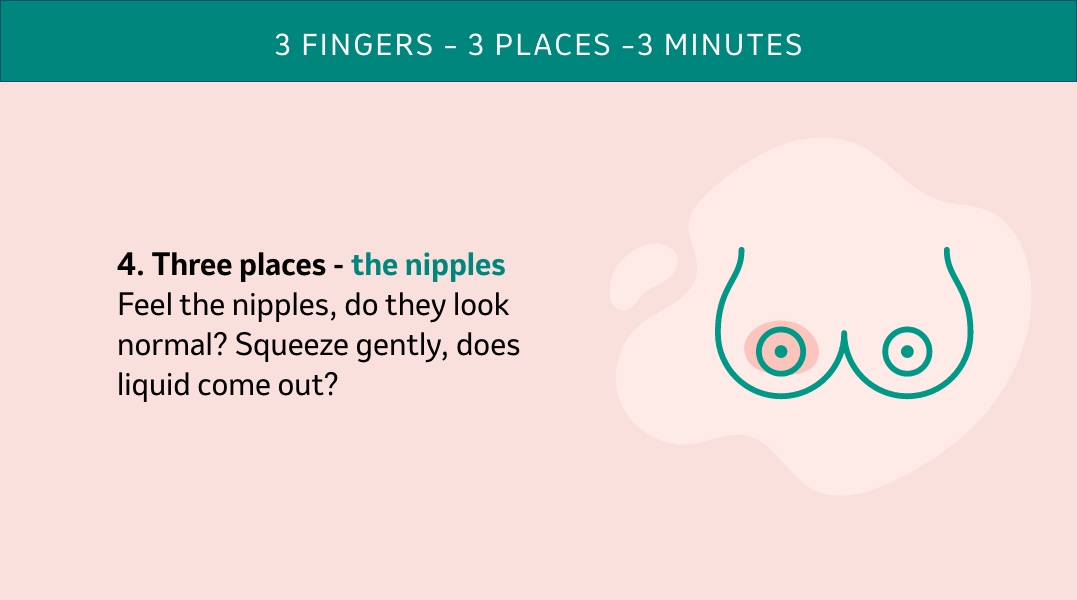
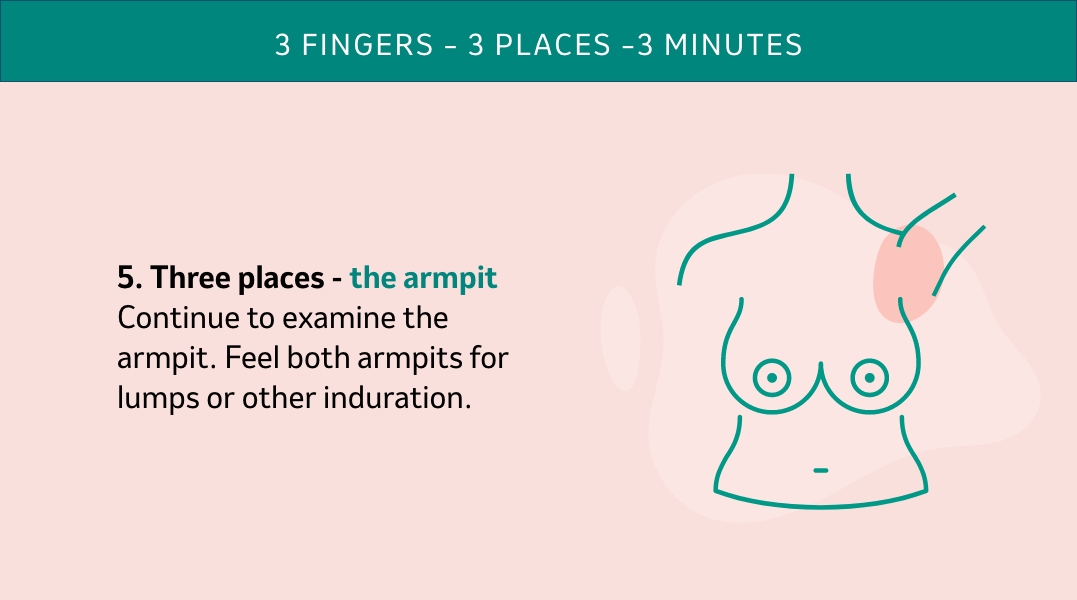
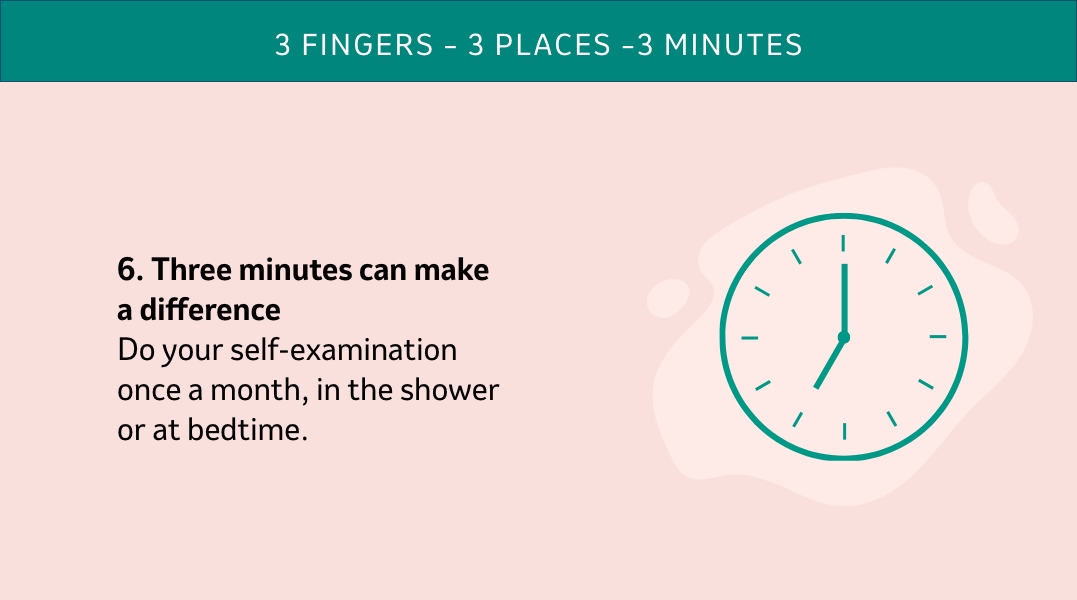
Download Bröstkollen
Print out and put it up at home or at your workplace.

Why is early detection so important?
The chances of being cured have greatly improved over recent decades, thanks to earlier detection and better treatment methods. Early detection of breast cancer leads to a better prognosis, allowing for less invasive procedures and treatments with fewer side effects. This may also lead to a higher quality of life after treatment.
Watch for these symptoms
- Lump in the breast and/or armpit
- Nipple or skin pulling inward
- Skin redness
- “Orange peel” texture – rough and dimpled skin
- Breast feels larger, heavier, firmer and harder
- Skin sores and nipple eczema
- If blood or fluid comes from the nipple
- Breast becomes red, swollen, tender and warm (even without feeling a lump)
Breasts may feel tender or have a lumpy area before menstruation, so it is best to examine your breasts again after your period.
Seek care at your healthcare center if you experience symptoms that could be breast cancer.
What do I do if I find a lump?
If you are worried about finding something, know that most breast changes are harmless! If you feel a lump in your breast that persists for a few weeks, contact your healthcare center, gynecologist, or breast clinic. You will need to be examined by a doctor, who may also refer you for mammography if deemed necessary. This applies regardless of your age!
Questions and answers

I am 25 years old, should I care?
Yes, you should care! Mammography screening doesn’t begin until age 40, and some women detect changes on their own before then. It’s important to stay aware and learn how your breasts normally feel when healthy. Hormones can make breasts feel tender and lumpy. While the risk of breast cancer between ages 20–30 is low, about 5% of all breast cancers are found in women under 40.
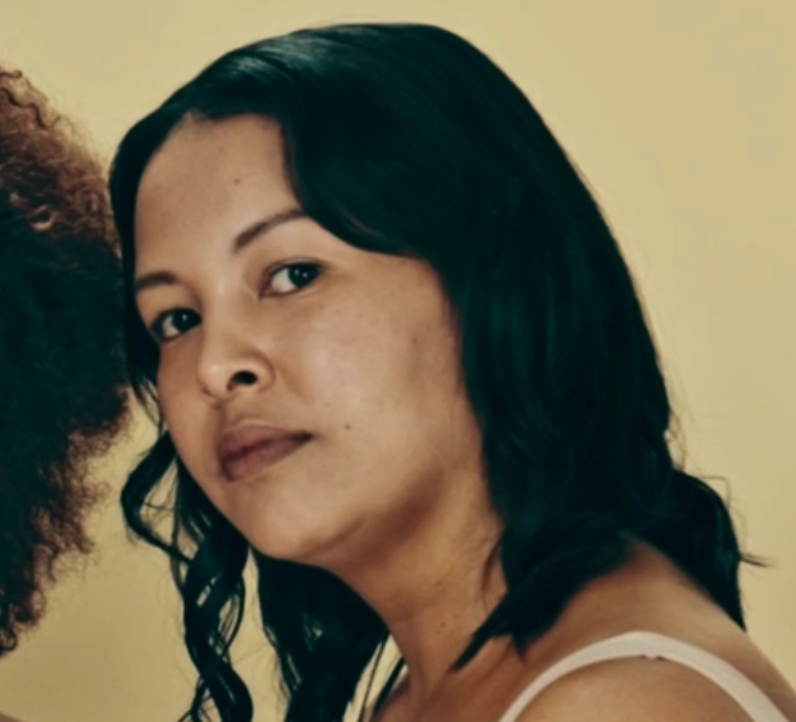
Why should I examine my breasts myself when I have participated in the mammography screening programme?
Mammography doesn’t detect everything. While mammograms can spot smaller changes than you might feel, some changes can develop rapidly between screenings. That is why it is important to catch any changes as early as possible, even between two mammograms.
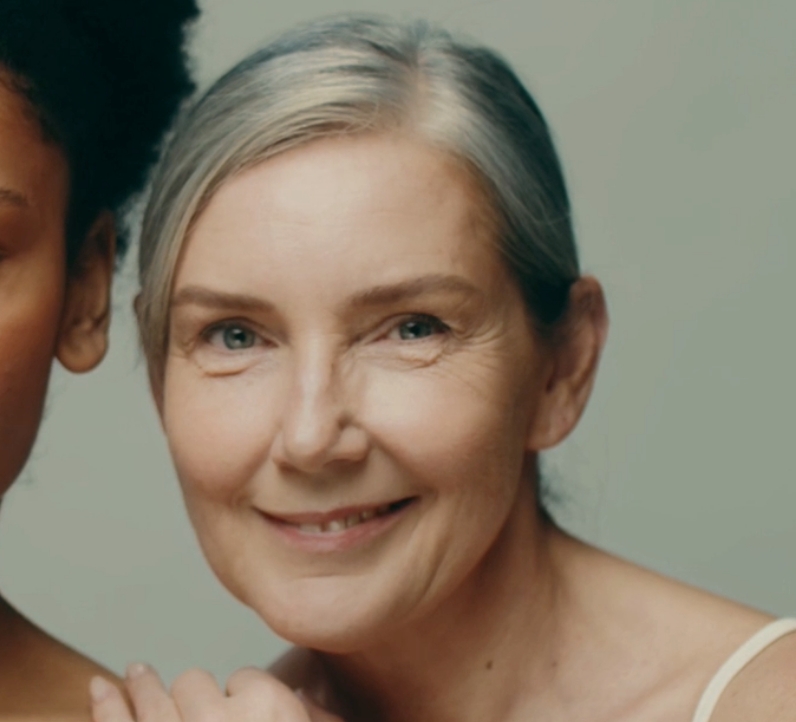
I am 75 years old, should I continue examining my breasts myself?
Yes, you should. About 20% of all breast cancers are found in women over 74. You should seek medical care if you feel a lump in your breast or notice any other breast cancer symptoms.
No one should have to face breast cancer alone
If you want to learn more about breast cancer and find support, whether you are living with breast cancer, are a family member or a friend.